What Is 3PL?
Modern businesses rely on fast, reliable logistics to keep products moving from manufacturers to customers. Managing warehousing, inventory, and distribution internally can become complicated and costly as a business grows. This is where third-party logistics (3PL) comes in.
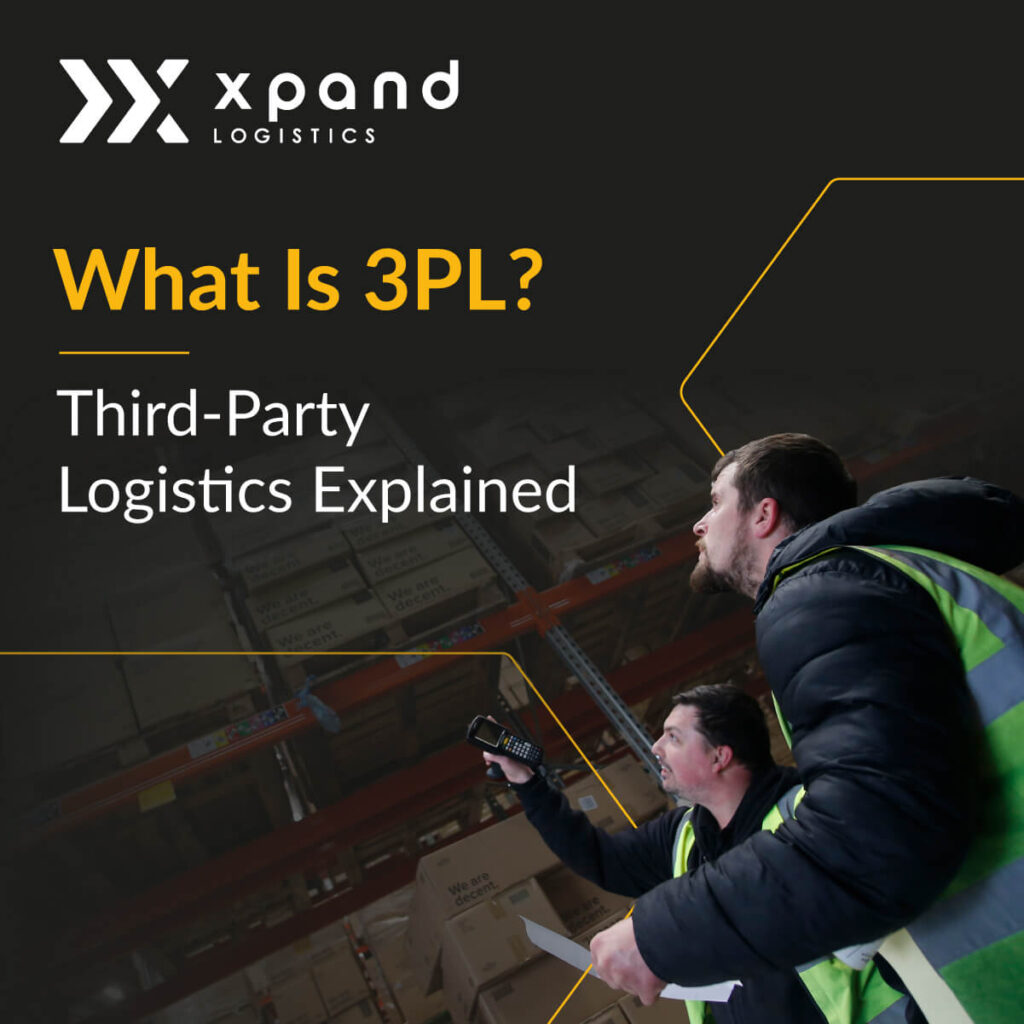
So, what is 3PL? Third-party logistics refers to outsourcing logistics operations to an external provider that specialises in managing supply chains, storage, fulfilment, and transportation.
Instead of handling logistics themselves, companies partner with a 3PL provider that manages these processes using dedicated facilities, systems, and expertise. This allows businesses to focus on core activities such as product development, sales, and customer service.
How 3PL Works
A 3PL provider acts as a logistics partner that manages warehousing, order fulfilment, and key supply-chain activities on behalf of a business. By outsourcing logistics operations, companies can scale efficiently without investing in their own storage facilities, systems, or transport networks.
While services vary depending on the provider and industry, the process generally includes several important steps.
Receiving goods
Products are delivered from manufacturers or suppliers to a 3PL warehouse. On arrival, goods are checked, recorded, and logged into a warehouse management system (WMS) to ensure accurate inventory visibility.
Warehousing and inventory control
Stock is stored securely in organised warehouse locations. Inventory management systems track stock levels, movements, and availability in real time.
Order processing
When a customer places an order, the order data is transmitted electronically to the warehouse system. This triggers the fulfilment workflow and ensures orders are processed quickly and accurately.
Picking and packing
Warehouse staff locate the correct items within the warehouse, pick them from storage, and pack them securely for shipment. Orders are checked for accuracy, labelled appropriately, and prepared for dispatch to help ensure products arrive safely and on time.
Shipping and distribution
Completed orders are dispatched through courier, pallet, or freight networks for regional, national, or international delivery. 3PL providers coordinate transport options to balance cost, speed, and reliability.
Returns and reverse logistics
Many 3PL providers also manage returns, including inspection, restocking, or disposal. This supports efficient reverse logistics and improves customer experience.
What Services Do 3PL Providers Offer?
Third‑party logistics providers offer a range of services that support warehousing, fulfilment, and distribution. These services allow businesses to outsource logistics operations while maintaining visibility, control, and scalability.
Warehousing
3PL providers offer secure warehouse space for short- and long-term storage. Facilities are designed to handle varying product types, volumes, and seasonal demand without businesses needing to invest in their own warehouse infrastructure.
Inventory management
Inventory is managed using digital warehouse management systems that track stock levels, locations, and movements in real time. This improves accuracy, reduces shortages, and supports efficient replenishment.
Order fulfilment
3PL providers manage the picking, packing, and dispatch of orders. Services typically support direct-to-consumer (D2C), business-to-business (B2B), and retail distribution models.
Transportation and freight
Many 3PL providers coordinate transport through courier, pallet, and freight networks. This includes domestic and international shipping by road, sea, or air, helping businesses balance delivery speed and cost.
Distribution
Delivering goods efficiently to regional, national, or international destinations.
Distribution services
3PLs manage the movement of goods from warehouses to customers, retailers, or distribution hubs using established networks that support regional, national, and international delivery.
Value‑added logistics services
Additional services may include product labelling, kitting, repackaging, light assembly, and quality checks. These services help businesses customise products or meet specific customer or regulatory requirements.
By combining these capabilities, 3PL providers offer an integrated logistics solution that reduces operational complexity and supports business growth.
Benefits of Using a 3PL Provider
Outsourcing logistics to a third-party logistics provider offers operational, financial, and strategic advantages.
Cost efficiency
Using a 3PL reduces the need for investment in warehouses, technology, labour, and transport infrastructure. Businesses often move from fixed logistics costs to a more flexible, usage-based model.
Scalability and flexibility
3PL providers allow businesses to scale storage space, labour, and distribution capacity up or down in line with demand – particularly valuable during seasonal peaks, rapid growth, or market expansion.
Access to logistics expertise
3PL specialists bring established processes, systems, and industry knowledge that help improve accuracy, compliance, and overall performance.
Improved speed and reliability
Established warehouse operations and transport networks enable faster fulfilment and more reliable delivery, improving customer satisfaction and service levels..
Technology and visibility
Modern warehouse and inventory systems provide real-time visibility of stock levels, order status, and movements, supporting better decision-making and operational control.
Reduced operational risk
Outsourcing logistics reduces exposure to risks such as labour shortages, capacity constraints, and operational disruption, as day-to-day execution is handled by a specialist provider.
Focus on core business activities
With logistics managed externally, businesses can focus resources on product development, sales, marketing, and customer experience.
For growing or complex supply chains, partnering with a 3PL provider helps organisations remain agile and competitive.
3PL Services from XPand Logistics
Working with the right third-party logistics partner is essential for building a resilient and efficient supply chain.
By combining physical logistics capabilities with technology-driven processes, XPand helps businesses streamline operations, maintain control over their supply chain, and ensure products reach customers efficiently and reliably.
Contact our team about your next project today.